

GOST 33259-2015 is an important standard for steel and cast iron flanges used in valves, fittings, pipelines, and industrial equipment. It specifies flange designs, dimensions, sealing face configurations, and general technical requirements for nominal pressures up to PN 250.
For a GOST33259 plate flange, following the standard means more than producing a circular steel component with bolt holes. The flange must match the required dimensional series, nominal diameter, pressure rating, connection design, and sealing surface.
We recommend checking the following details before placing an order:
One detail that deserves particular attention is the dimensional series. GOST 33259 includes different dimensional rows. Two flanges with the same DN and PN designation should not be assumed interchangeable without checking the applicable dimensions.
For reference, consult the official GOST 33259-2015 standard record before finalizing technical requirements.
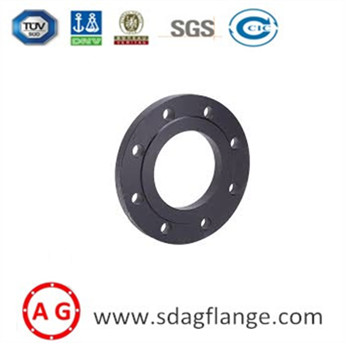
Material selection directly affects the strength, machinability, welding considerations, and service suitability of a carbon steel flange.
GOST33259 PLATE FLANGE Mt 20# uses 20# carbon steel as the specified material designation. When evaluating this material, we recommend checking the actual material standard and chemical composition rather than relying on the grade name alone.
Before production, we recommend confirming three points:
We do not recommend treating different carbon steel grades as interchangeable simply because they are commonly used for similar flange applications. For example, A105, P245GH, and 20# have different material specifications. Any substitution should be approved against the project requirements.
At Aiguo, we manufacture carbon steel flanges using different material options, including 20#-specified products, A105, P245GH, P250GH, S235JR, and other grades. The final material selection depends on the customer's technical specification and intended service conditions.
We have found that incomplete technical information is one of the common reasons for order confirmation delays and dimensional misunderstandings. A product name alone is rarely enough to start production.
For GOST33259 PLATE FLANGE Mt 20#, we recommend confirming the following specifications:
| Specification | Available Options / Details | What to Confirm |
|---|---|---|
| Standard | GOST 33259, EN 1092-1, ANSI, ASME, DIN, JIS, BS, etc. | Applicable standard and edition |
| Flange Type | Plate, blind, slip-on, weld neck, threaded, loose, ring | Required connection design |
| Material | 20#, A105, P245GH, P250GH, S235JR, SS400, etc. | Material grade and specification |
| Nominal Size | DN15–DN2000 | Exact DN and dimensional series |
| Pressure Rating | PN6, PN10, PN16, PN25, PN40, PN63 | Required PN rating |
| Sealing Face | Stock finish, concentric grooves, smooth finish, etc. | Facing form and surface finish requirements |
| Surface Treatment | Anti-rust oil, black paint, yellow paint, galvanizing | Corrosion protection and project requirements |
| Inspection | Workshop inspection, laboratory testing, third-party inspection | Required inspection scope and documents |
| Packaging | Plywood pallets, wooden cases, customized packing | Transport and storage requirements |
Important: The listed DN and PN ranges represent our product supply capabilities, not a guarantee that every size and pressure combination is covered by the GOST standard. We check the applicable dimensional tables before confirming production.
The sealing face is a small part of the flange, but it has a direct effect on gasket contact and connection tightness. A surface that is too rough, uneven, or incorrectly machined may cause sealing problems after installation.
For this reason, we confirm the required facing form, groove pattern, and surface finish before machining. If the flange is intended to connect with existing pipeline equipment, we also recommend checking the mating flange drawings rather than relying only on the nominal size.
At Aiguo, we believe flange quality needs to be controlled throughout production, not just checked when the finished product is ready for shipment.
Our manufacturing process covers raw material cutting, heating, forging, rolling where required by the production route, machining, drilling, dimensional checking, marking, and packing. The exact process depends on the flange design and approved manufacturing requirements.
| Production Stage | Inspection Focus | Why It Matters |
|---|---|---|
| Raw Material | Material grade, identification, and certificate | Prevents incorrect material selection |
| Forging | Heating and forming conditions | Helps maintain consistent blank quality |
| Machining | Outer diameter, thickness, bore, and face dimensions | Ensures dimensional compliance |
| Drilling | Bolt hole diameter, quantity, and positioning | Ensures proper assembly |
| Final Inspection | Dimensions, surface condition, marking, and documents | Confirms order requirements before dispatch |
We also maintain production and inspection traceability from raw material purchasing through finished flange delivery. Depending on the order, inspection can include workshop self-inspection, laboratory testing, and third-party inspection.
For projects requiring specific documentation, we recommend agreeing on the inspection plan, material certificates, and third-party inspection arrangements before production begins. This avoids disagreements about documentation after the goods are completed.
Plate flanges are commonly used to connect pipes, valves, fittings, and other pipeline components. Their application depends on the flange dimensions, material, pressure rating, temperature, and fluid compatibility.
Typical application areas include:
For example, a flange used in a water pipeline and one installed in a high-temperature industrial process may have different material and pressure requirements, even if their nominal diameters are identical.
We recommend evaluating the actual operating temperature, working pressure, fluid characteristics, and gasket requirements before selecting a GOST33259 plate flange.
Price is important, but it should not be the only consideration when sourcing carbon steel plate flanges. Manufacturing capacity, process control, inspection capability, and delivery reliability also influence the total procurement cost.
At Aiguo, we have focused on carbon steel flange manufacturing since our establishment in 1992. We started exporting flanges in 2011 and have developed production capabilities covering standard and non-standard flange requirements.
Our manufacturing resources include:
We manufacture different carbon steel flange types, including plate flanges, blind flanges, welding neck flanges, and other connection designs. Our product range covers GOST, EN, ASME, DIN, JIS, and other commonly requested standards.
For customized GOST33259 PLATE FLANGE Mt 20#, we can review drawings and technical requirements before confirming the production details. This is particularly useful when a project requires specific dimensions, non-standard configurations, surface treatments, or packaging arrangements.
Our monthly production capacity also allows us to plan manufacturing schedules for larger orders. However, actual delivery time depends on order quantity, material availability, machining requirements, inspection arrangements, and shipping conditions.
When comparing manufacturers, we suggest requesting a sample inspection report, material documentation, production schedule, and confirmation of the applicable flange standard. These details provide a more reliable basis for evaluating a manufacturer than a quotation alone.
It depends on the selected flange dimensions, PN rating, material properties, operating temperature, and pipeline design. The product name alone does not establish its pressure suitability. We recommend checking the applicable GOST dimensional table and project design requirements before ordering.
Yes. We manufacture standard and non-standard carbon steel flanges. Customers can provide drawings or technical specifications for dimensional review. Before production, we confirm the material, flange thickness, outer diameter, bolt hole arrangement, sealing face, and other critical details.
Not automatically. Although both are carbon steel grades used in industrial flange manufacturing, they follow different material specifications and may have different chemical and mechanical requirements. Any substitution should be approved by the project engineer or specified in the purchase documentation.
We normally need the flange standard, DN size, PN rating, material grade, flange type, sealing face, quantity, and any special inspection or packaging requirements. Drawings are particularly helpful for non-standard flange orders.
Check the dimensional drawing, material certificate, flange marking, inspection records, and relevant test documents. Pay particular attention to the dimensional series, bolt hole arrangement, sealing face, and material identification. For critical projects, independent third-party inspection can provide additional verification.
Common options include anti-rust oil, black paint, yellow paint, hot-dip galvanizing, and electro-galvanizing. The appropriate treatment depends on the storage environment, transportation conditions, and project corrosion-protection requirements.
Buying GOST33259 plate flanges requires attention to more than material and nominal size. The applicable standard, dimensional series, pressure rating, sealing face, material documentation, and inspection requirements all need to match the actual pipeline application.
At Aiguo, we combine carbon steel flange manufacturing experience since 1992 with a 30,000 m² workshop, 260 workers, and a monthly production capacity of approximately 1,500 tons. We support standard flange production as well as customized manufacturing according to drawings.
If you are sourcing GOST33259 PLATE FLANGE Mt 20#, send us your required DN, PN rating, material specification, quantity, and technical drawings. We can review the requirements and provide a quotation based on the actual product specifications.


